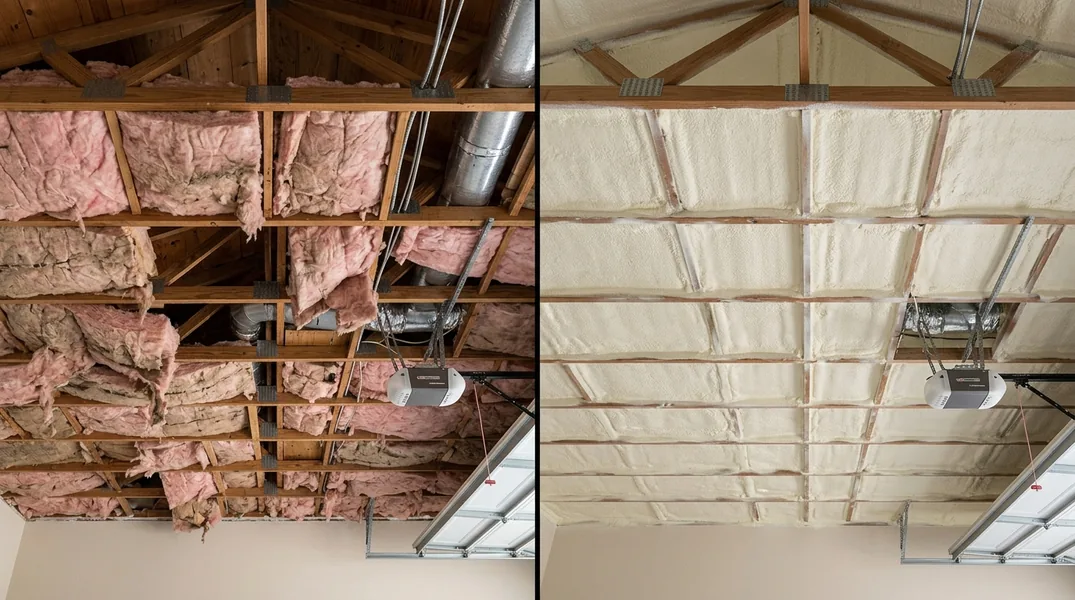
Understanding R-Value Requirements in Texas
If you own a home in McAllen, understanding R-value requirements is the first step toward making an informed decision about your attic insulation. R-value measures the thermal resistance of insulation materials, and it directly affects how well your home stays warm in winter and cool in summer. Texas has specific energy code requirements that dictate the minimum R-values your attic insulation must meet, and these standards exist to ensure homes are energy efficient and comfortable year-round.
The International Energy Conservation Code (IECC), which Texas adopts and enforces through the Texas Energy Code, sets minimum insulation standards based on your climate zone. McAllen falls within a warm climate region, which means your attic insulation requirements differ from homes in northern states. For most of the Rio Grande Valley, including McAllen, the current code requires a minimum R-value of R-38 for attic insulation. This standard ensures that your home maintains proper temperature control and reduces strain on your cooling system during the hot Texas summers.
Spray Foam Insulation R Value Per Inch: What You Need to Know
When evaluating insulation options, one of the most important metrics is understanding how much R-value you get per inch of material. This is where spray foam insulation stands out from traditional fiberglass or cellulose. Closed Cell Spray Foam Insulation typically provides an R-value of 6 to 7 per inch, making it one of the most efficient insulation materials available on the market today. In contrast, Open Cell Spray Foam Insulation delivers approximately 3.5 to 3.6 R-value per inch, which is still superior to fiberglass batts that average around 3.2 to 3.8 per inch.
The practical advantage of this high R-value density means you need less material thickness to meet Texas energy code requirements. To achieve the R-38 minimum for McAllen homes, you would need approximately 5.5 to 6.5 inches of closed cell foam, compared to 10 to 12 inches of traditional fiberglass insulation. Beyond meeting code requirements, many homeowners choose to exceed the minimum and install thicker spray foam for superior energy performance, moisture control, and air sealing benefits that reduce cooling costs significantly in our hot climate.
How Thick Should Spray Foam Be for Optimal Performance
Determining the right thickness for Attic Spray Foam Insulation depends on several factors including your current insulation levels, your energy goals, and your budget. While Texas energy code requires a minimum R-38, industry experts and energy-conscious homeowners often recommend going beyond the minimum to maximize long-term savings. For homes in the Rio Grande Valley, installing 6 to 8 inches of closed cell spray foam creates an R-value between R-36 and R-56, providing excellent thermal performance and exceptional moisture resistance that's particularly valuable in our humid subtropical climate.
The thickness decision also depends on your attic structure and ventilation strategy. Spray foam is an air-sealing insulation, which means it blocks air leaks that traditional batts cannot address. When you spray foam an attic to 7 or 8 inches thick, you're not just meeting code; you're creating a highly efficient thermal envelope that reduces your HVAC system's workload and can lower energy bills by 15 to 30 percent. Homeowners should consult with a professional installer to evaluate their specific attic conditions, existing insulation, and moisture barriers before deciding on final thickness. If you're ready to assess your attic's needs, McAllen Spray Foam Insulation can provide a free estimate to determine the ideal spray foam thickness for your home.
Federal Insulation Tax Credits and How to Qualify in 2026
One of the most attractive incentives for upgrading your home's insulation is the federal insulation tax credit, which allows homeowners to claim a percentage of their insulation installation costs directly on their federal income tax return. As of 2026, the Inflation Reduction Act continues to offer substantial tax credits for energy-efficient home improvements, including insulation upgrades. Homeowners can claim up to 30 percent of the cost of qualifying insulation materials and installation, with a maximum credit of $3,200 per year for all energy-efficient home improvements combined.
To qualify for the federal insulation tax credit, your insulation project must meet specific criteria set by the IRS and the Department of Energy. The insulation material must be installed in your primary residence, and it must meet or exceed the R-value requirements established by the International Energy Conservation Code for your climate zone. Spray foam insulation typically qualifies because it exceeds code requirements and provides superior air sealing. You'll need to keep detailed documentation including receipts, contractor invoices, and proof that the materials meet the required specifications. When you work with McAllen Spray Foam Insulation, our team can provide the necessary documentation to help you claim your tax credit. Contact us at (956) 540-5716 to discuss your project and ensure you have all the paperwork needed for tax filing.
State and Local Insulation Rebates Available to McAllen Homeowners
Beyond federal tax credits, Texas homeowners may have access to additional insulation rebates through utility companies and state energy programs. Many electric cooperatives and municipal utilities in the Rio Grande Valley offer rebate programs that reimburse homeowners for a portion of their insulation upgrade costs. These insulation rebates are typically offered as direct reimbursements or bill credits and can significantly reduce your out-of-pocket expenses for spray foam installation.
To find available rebates in McAllen, contact your local utility provider directly and ask about energy efficiency rebate programs. Some utilities offer rebates ranging from $100 to $500 or more for attic insulation upgrades that meet specific R-value thresholds. Additionally, check with neighboring communities like Mission and Pharr to see if regional programs extend to your area. McAllen Spray Foam Insulation stays current on available rebate programs and can advise you on which incentives you may qualify for before you begin your project. Our team will help you navigate the application process and maximize your savings through both federal credits and local rebates.
Attic Spray Foam Insulation Cost in McAllen: What to Budget
Understanding the cost of Attic Spray Foam Insulation helps you plan your budget and evaluate the return on investment. Spray foam insulation typically costs more upfront than traditional fiberglass batts, ranging from $1.50 to $3.00 per board foot installed, depending on whether you choose open cell or closed cell foam. For a typical 1,500 square foot attic requiring 6 inches of closed cell foam to meet R-38 requirements, you can expect to invest between $4,500 and $9,000 before applying any tax credits or rebates. While this represents a significant initial investment, the long-term energy savings and durability of spray foam make it a cost-effective choice for most homeowners.
When evaluating pricing from different contractors, remember that the lowest bid isn't always the best value. Quality installation, proper thickness, and attention to air sealing details directly impact your energy savings and long-term performance. Factor in the federal tax credit (up to 30 percent of costs), potential utility rebates, and your projected energy bill reductions over 10 to 20 years. Many homeowners find that spray foam pays for itself through energy savings within 5 to 10 years, after which you're essentially enjoying free insulation benefits. To get an accurate quote tailored to your specific attic size and condition, contact McAllen Spray Foam Insulation at (956) 540-5716 or request a free estimate online today.
Looking for a professional spray foam insulation contractor in McAllen? McAllen Spray Foam Insulation responds fast for all your spray foam insulation needs.
Get a Free Quote